
Oral Hygiene Tips for Babies and Toddlers

Introduction
As parents in Nizampet, we want the best for our little ones, and that includes a healthy, beautiful smile that lasts a lifetime. Many parents are surprised to learn that oral care should begin even before the first tooth appears! At Wishdent Dental Clinic, we've helped countless families establish excellent oral hygiene habits from infancy. This guide will walk you through everything you need to know about caring for your baby's and toddler's dental health.

When to Start: The First Few Months
Newborn to 6 Months: Before the First Tooth
Many parents ask, "Why clean gums if there are no teeth yet?" The answer is simple: healthy habits start early, and bacteria can accumulate on gums even without teeth.
What to do:
Gently wipe your baby's gums with a clean, damp cloth after feeding
Do this twice daily—once in the morning and once before bed
Use your finger wrapped in a soft, moistened gauze pad
Make it a gentle, soothing experience
Why it matters:
Removes milk residue and bacteria
Gets baby comfortable with oral care
Prevents bacterial buildup
Sets the foundation for future brushing

The Magical Moment: First Tooth Arrival
Most babies get their first tooth between 6 and 10 months, though timing varies. This milestone changes everything about oral care!
Signs your baby is teething:
Increased drooling
Chewing on objects
Irritability or fussiness
Swollen, tender gums
Slight temperature increase
Once that first tooth peeks through, it's time to upgrade your oral care routine.
Age-Appropriate Oral Care Techniques
6 to 12 Months: Baby's First Brush
Tools you'll need:
Infant toothbrush with soft bristles and a small head
Rice grain-sized amount of fluoride toothpaste
Patience and a gentle touch
The technique:
Sit your baby in your lap, facing away from you
Apply a tiny smear of toothpaste (size of a rice grain)
Gently brush in small circular motions
Clean all surfaces of each tooth
Brush twice daily—morning and night
No need to rinse at this age (such a small amount is safe to swallow)
Pro tip: Babies often want to grab the toothbrush. Let them hold a second brush to play with while you do the actual cleaning!

1 to 2 Years: Building the Brushing Habit
This age brings more teeth, more opinions, and sometimes more resistance!
What changes:
Increase toothpaste to a pea-sized amount
Continue brushing twice daily for 2 minutes
Start establishing a consistent routine
Let them "help" but you do the actual cleaning
Handling resistance:
Stay calm and consistent
Never skip brushing, even on difficult days
Try different positions (standing at the sink, sitting on the counter)
Make it part of the bedtime routine

2 to 3 Years: Towards Independence
Toddlers want to do everything themselves, and that includes brushing!
Encouraging independence while ensuring effectiveness:
Let them brush first, then you do a "helper brush"
Teach them to spit out toothpaste
Introduce flossing when teeth start touching
Make it a game or challenge
The two-turn method:
Child's turn: Let them brush for as long as they want
Parent's turn: You do a thorough 2-minute brush
Remember: Children don't have the motor skills for effective brushing until around age 6-8, so parental supervision and help remain essential.

Common Mistakes Parents Make (And How to Avoid Them)
The Bottle at Bedtime Trap
One of the most damaging habits for baby teeth is letting your child fall asleep with a bottle of milk, formula, or juice.
Why it's harmful:
Liquid pools around teeth during sleep
Reduced saliva flow at night means less natural protection
Sugar from milk/juice feeds bacteria for hours
Leads to "baby bottle tooth decay"
The solution:
Finish the bottle before bedtime
If comfort is needed, use water only
Wipe or brush teeth after the last bottle
Transition to a cup by 12-15 months

Delaying the First Dental Visit
Many parents think, "They're just baby teeth, we can wait." This is a costly mistake!
The right timing:
First dental visit by the first birthday
Or within 6 months of the first tooth
Early visits prevent problems and build comfort
What happens at Wishdent during a baby's first visit:
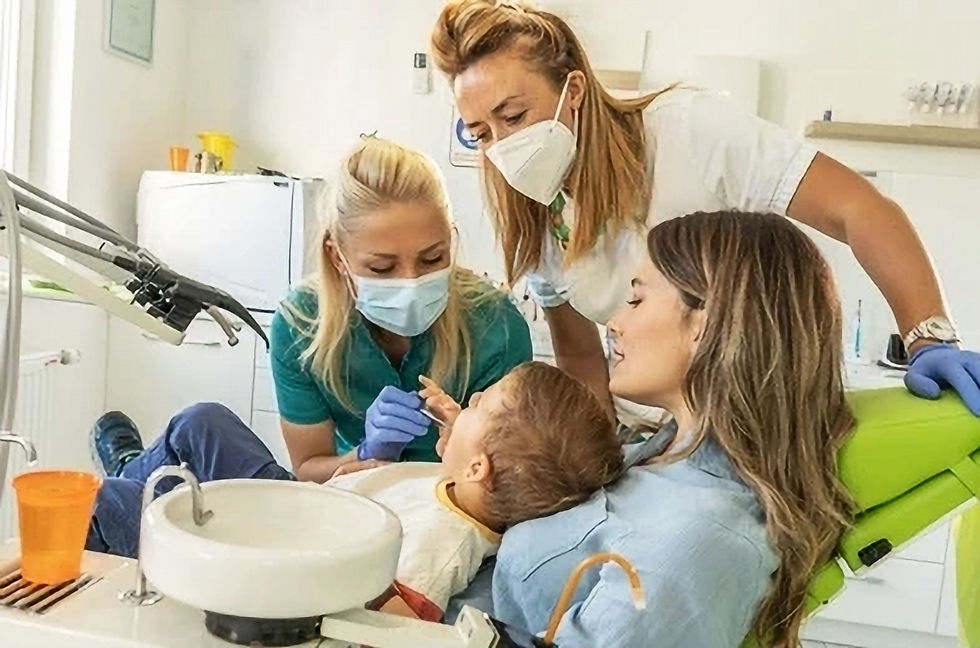
Gentle examination in parent's lap
Tooth counting and health check
Personalized care advice
Positive experience building
Using Too Much Toothpaste
More isn't better when it comes to toothpaste for little ones.
Correct amounts:
Under 3 years: Rice grain size
3-6 years: Pea-sized amount
Fluoride is important, but excess can cause fluorosis (white spots on teeth)
[Image suggestion: Visual guide showing correct toothpaste amounts by age]
Ignoring Baby Teeth
"They'll fall out anyway" is a dangerous myth!
Why baby teeth matter:
Hold space for permanent teeth
Help with proper speech development
Enable proper chewing and nutrition
Infections in baby teeth can affect permanent teeth developing underneath
Early loss can cause crowding and alignment issues
Making Brushing Fun: Creative Strategies That Work
The Two-Minute Challenge
Two minutes feels like forever to a toddler. Make it fly by!
Timing tricks:
Play a favorite 2-minute song
Use a sand timer or fun app
Count to 120 together
Brush during a short cartoon
Character Toothbrushes and Flavored Toothpaste
Let your child choose their own toothbrush with their favorite character. This simple act increases cooperation significantly.
Popular options:
Cartoon characters
Light-up brushes
Musical brushes
Fruit-flavored toothpaste (look for fluoride content)
Brushing Together as a Family
Children learn by imitation. When they see parents and siblings brushing, they want to join in!
Family brushing time:
Everyone brushes at the same time
Make funny faces in the mirror
Have brushing races (who can brush the longest?)
Share the experience
Songs and Stories
Create or find brushing songs and stories that make the routine engaging.
Popular brushing songs:
"This is the way we brush our teeth" (to the tune of "Here We Go Round the Mulberry Bush")
"Brush, Brush, Brush Your Teeth" (to the tune of "Row Your Boat")
Make up your own silly versions!
Nutrition and Dental Health for Little Ones
Foods That Protect Tiny Teeth
What your child eats directly affects their dental health.
Tooth-friendly foods:
Cheese and paneer (calcium-rich)
Crunchy vegetables (carrots, cucumbers)
Fresh fruits (apples, pears)
Yogurt (unsweetened)
Eggs
Water with meals
Why these help:
Stimulate saliva production
Provide essential minerals
Natural cleaning action
Strengthen developing teeth

Snacks to Avoid or Limit
Some foods are particularly harmful to developing teeth.
Worst offenders:
Sticky candies and toffees
Fruit juice (even 100% juice)
Cookies and biscuits
Dried fruits (raisins stick to teeth)
Carbonated drinks
Smart alternatives:
Fresh fruit instead of juice
Cheese cubes instead of crackers
Sliced vegetables with hummus
Plain milk or water
The Role of Water
Water is your child's best friend for dental health.
Benefits:
Rinses away food particles
Doesn't contain sugar or acid
Supports overall health
Should be the primary drink
Tip: In Hyderabad, where we have access to good quality water, encourage frequent sips throughout the day, especially after meals and snacks.
Warning Signs Every Parent Should Know
Early Childhood Cavities
Spotting problems early can save your child from pain and extensive treatment.
Look for:
White or brown spots on teeth
Visible holes or pits
Sensitivity to hot, cold, or sweet foods
Pain while chewing
Swelling around teeth or gums
Teething vs. Dental Problems
It's easy to confuse teething discomfort with actual dental issues.
Normal teething symptoms:
Mild discomfort for a few days
Slight temperature (under 100°F)
Increased drooling
Desire to chew
Dental problem warning signs:
High fever
Swelling in face or gums
Foul breath
Continuous crying or obvious pain
Pus or discharge
When to Seek Professional Help
Don't wait if you notice:
Any visible cavity or discoloration
Chips or cracks in teeth
Bleeding gums
Bad breath that doesn't improve
Difficulty eating
Thumb-sucking concerns beyond age 3
At Wishdent Dental Clinic, we're experienced in making dental visits comfortable and positive for young children. Early intervention prevents bigger problems later.
Your Child's First Dental Visit
What to Expect
Your child's first visit to Wishdent is designed to be gentle and positive.
The appointment typically includes:
A friendly introduction to Dr. Vishnu Priya
Gentle examination in your lap if needed
Tooth count and health assessment
Demonstration of proper brushing technique
Fluoride application if recommended
Personalized advice for your child
Duration: Usually 15-20 minutes for the first visit
How to Prepare Your Child
Set your child up for success with these preparation tips:
Before the visit:
Read children's books about going to the dentist
Play "dentist" at home with stuffed animals
Talk about it positively ("The dentist will count your teeth!")
Avoid using words like "hurt," "pain," or "shot"
Schedule morning appointments when children are well-rested
What to bring:
Your child's favorite comfort item
Insurance information
List of any medications
Questions you want to ask
Questions to Ask Your Dentist
Make the most of your visit by asking:
Is my child's dental development on track?
Are we brushing correctly?
Should we be concerned about thumb-sucking or pacifier use?
What's the right amount of fluoride for our child?
Are there any dietary changes we should make?
When should we start flossing?
What emergency dental situations should we watch for?
Conclusion
Building healthy oral hygiene habits in the early years sets your child up for a lifetime of healthy smiles. Remember these key takeaways:
✓ Start oral care before the first tooth appears ✓ Brush twice daily from the first tooth onwards ✓ Make it fun and consistent ✓ Watch what they eat and drink ✓ Schedule the first dental visit by age one ✓ Never ignore problems in baby teeth
At Wishdent Dental Clinic in Nizampet, we specialize in pediatric dentistry and understand the unique needs of babies and toddlers. Dr. Vishnu Priya Cherukuri creates a gentle, positive environment where children feel comfortable and safe.
Ready to give your child the gift of excellent oral health?
📞 Call us at 8328368742 to schedule your child's first dental visit 🌐 Visit wishdent.in for more parenting and dental health tips 📍 Find us above Vijetha Supermarket, Vazhraa Prathik Apartment Clubhouse, Nizampet
Clinic Hours: Monday to Saturday: 10 AM - 1 PM & 5 PM - 9 PM Sunday: By Appointment
Remember: Healthy habits start early, and we're here to help you every step of the way!


Comments